

Does a Missing Mic Foam Affect Call Quality?
Leave a message
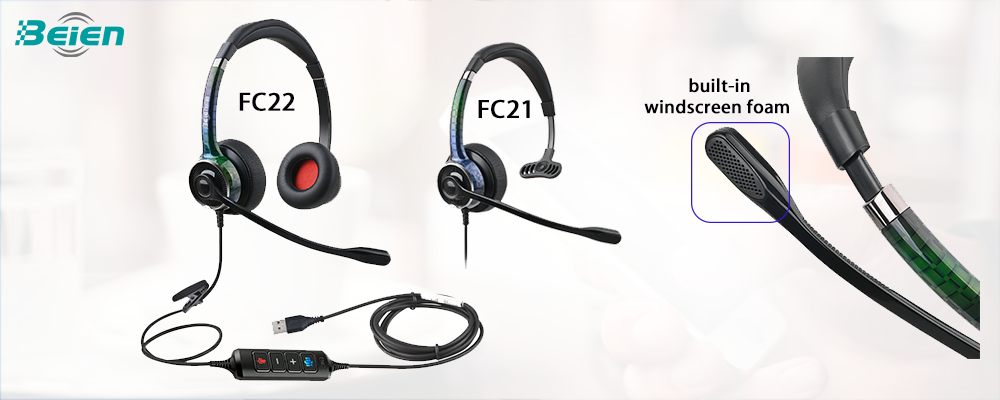
Every call center manager has seen an agent using a headset customer service rep relies on, only to find it with a bare microphone rod. While some think "it still works," that tiny foam cover is actually critical for call quality. It serves two main purposes:
1. Blocking Wind Noise
In an open office, air conditioning and movement create airflow that hits the microphone. This causes a distracting "whooshing" sound for the customer. The foam breaks up this airflow, ensuring only the voice gets through.
2. Reducing Plosives ("Popping" Sounds)
With the mic so close to the mouth, breathing moisture and sharp consonants (like P and B) create harsh popping noises, technically called plosives. The foam acts as a buffer to absorb moisture and filter out these distracting blasts.
Ultimately, it all comes down to one thing: how clearly the customer can hear your agents.

Dropping Call Quality is More Than Just a Minor Issue
Tests show that a bare microphone picks up significantly more low-frequency noise. To the customer, the agent sounds like they are talking into the wind-hollow and muffled. Specifically, three issues quickly surface:
1. An Increase in Customer Complaints
Managers note a clear trend: without the foam, feedback regarding "unclear audio" can jump by 15% to 20% in a week. The impact of a missing windscreen on a standard microphone headset is real and immediately noticeable.
2. The Agent's Experience Suffers Too
Without the foam buffer, sidetone amplifies the agent's breathing and harsh "popping" sounds. This disrupts their rhythm, causing them to subconsciously lower their volume, which degrades audio quality even further.
3. Increased Risk to the Equipment Itself
The foam also protects the delicate diaphragm. Over time, saliva and dust can corrode the element, causing permanent damage. Replacing foam costs almost nothing, but replacing a high-quality noise cancelling microphone headset can cost hundreds of dollars. So, foam windscreens are definitely worth the small expense-or you could even ask your wholesaler to throw in some for free.
When to Replace vs. When to Improvise
Here is the golden rule: check the microphone tip.
1. Emergency Fix (1-2 Days): If the foam falls off but a metal mesh or dust screen is still visible, the physical protection is intact. You can temporarily cover it with thin foam or medical tape, but order a replacement ASAP.
2. Must Replace Immediately: If the tip is an open hole with no protective layer (common in budget models), you must replace the foam immediately. Without it, moisture and dust will damage the diaphragm, causing permanent failure within weeks.
Impact on Advanced Tech
ENC Headsets: A missing foam cover is critical here. Direct airflow creates wind noise that the algorithm cannot filter out, causing audio to fluctuate or hum.
ANC Headsets: These often have built-in passive protection (like maze channels), so the impact is slightly delayed but still requires a fix.
Regardless of the technology, the foam windscreen remains the cheapest and most effective way to protect your microphone and ensure crystal-clear call quality.
The Truth About Spare Microphone Foam Covers
Reputable suppliers usually offer free spares for after-sales support. For instance, call center headset brand Beien typically provides spare accessories at a 3% ratio with every bulk purchase. There is also a hidden issue: compatibility. A windscreen's specs are precisely calculated. Using a random generic foam can alter the microphone's frequency response and worsen noise suppression. The Test: If agents swap the foam and the audio remains clear, it's a match. If the voice sounds muffled or distant, the replacement is incompatible.
A Practical Action Plan for Managers
Add this quick check to your monthly inspection: gently pull back the microphone foam. If the mesh is clogged with dust, damp, or feels blocked when you blow through it, replace it immediately. If an agent has been missing a foam cover for over a week, arrange a replacement right away.
️ Why Immediate Replacement Matters
Without foam, saliva and sweat deposit salts and proteins onto the diaphragm. While fresh residue can be wiped away within a week or two, dried deposits cause irreversible damage to the coating.
Pro Tip: Never use alcohol to clean the diaphragm, as it destroys delicate components.
The Hassle-Free Solution
Stock up on spare foam covers during your initial bulk purchase. The cost is negligible, but it extends microphone lifespan by 3-6 months and saves you from the high expense of replacing entire headsets.
For wholesale orders, connect with Beien, the manufacturer behind the brand. Get your headsets and accessories straight from the source.
Beien Headset list: Pleadset click the here.
Factory Tour: One Continuous Shot, No Edits: Pleadset click the here


