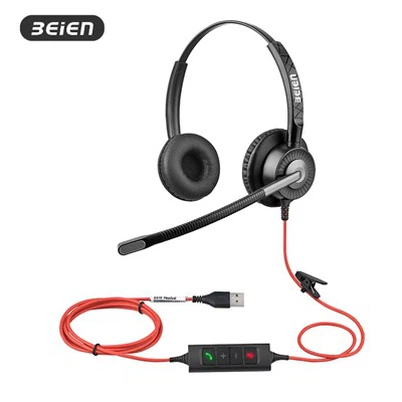
What chemicals can a qd cable resist?
Leave a message

Hey there! I'm a supplier of QD cables, and today I wanna chat about what chemicals these cables can resist. QD cables are pretty handy in a bunch of industries, from headsets to other electronic devices. Knowing what chemicals they can stand up to is super important for making sure they work well and last a long time.
First off, let's talk about the materials that QD cables are usually made of. Most of the time, the outer insulation of these cables is made from materials like PVC (polyvinyl chloride), TPE (thermoplastic elastomer), or rubber. Each of these materials has its own set of chemical resistance properties.
PVC is a common choice for cable insulation. It's known for being resistant to a lot of common chemicals. For example, it can handle exposure to weak acids and bases. Things like acetic acid, which you might find in vinegar, won't really do much damage to PVC-coated QD cables. Also, it can resist some mild solvents like ethanol. Ethanol is often used in cleaning solutions, so if you need to wipe down your QD cable with a little bit of alcohol, the PVC insulation should be okay.
TPE, on the other hand, has a different set of chemical resistance features. It's more flexible than PVC in many cases, and it can resist some oils and greases. If your QD cable is going to be used in an environment where it might come into contact with machine oils or lubricants, TPE can be a good option. For instance, mineral oils, which are commonly used in industrial machinery, won't break down TPE insulation easily.
Rubber is another material used for QD cable insulation. Natural rubber and synthetic rubbers like neoprene have their own chemical resistance profiles. Neoprene is great at resisting ozone, which is a gas that can cause rubber to crack and deteriorate over time. It also has good resistance to some chemicals like ammonia. Ammonia is used in a lot of cleaning products and industrial processes, so if your QD cable is in an area where ammonia might be present, neoprene insulation can be a smart choice.
Now, let's look at some specific scenarios where QD cables might encounter chemicals. In the headset industry, QD cables are widely used. For example, the Spring Wire GN QD To RJ9 Connector Cable is a popular choice. Headsets are often used in offices, call centers, and other environments where they might come into contact with common cleaning chemicals. As we mentioned earlier, PVC or TPE insulated QD cables can handle the mild acids and solvents in these cleaning products.


Another type of QD cable in the headset market is the GN QD Cable To USB-C with Inline Controller. This cable might be used in more high - tech setups, where there could be a risk of exposure to static - dissipative chemicals. Some of these chemicals are used to prevent static buildup on electronic devices. The insulation materials of these QD cables need to be able to resist these chemicals to ensure the cable's performance.
The GN QD To 3.5MM Audio Jack Cable (4 - pin) is also a common option. It could be used in audio studios or home entertainment systems. In these places, there might be a chance of exposure to chemicals from cleaning agents or even some of the chemicals used in the production of audio equipment. Again, the right insulation material can make all the difference in protecting the cable from chemical damage.
But it's not just about the outer insulation. The internal conductors of QD cables also need to be considered when it comes to chemical resistance. Most QD cables use copper conductors. Copper is a relatively stable metal, but it can react with some chemicals. For example, in a highly acidic environment, copper can start to corrode. If the acid is strong enough, it can eat away at the copper conductors, which will affect the cable's electrical conductivity. To prevent this, sometimes the copper conductors are coated with a thin layer of tin or other protective materials.
There are also some chemicals that QD cables generally can't resist. Strong acids like sulfuric acid and hydrochloric acid are a big no - no. These acids are extremely corrosive and can quickly destroy both the insulation and the conductors of a QD cable. Similarly, strong bases like sodium hydroxide can cause significant damage. Organic solvents like benzene and toluene are also very harmful to QD cables. These solvents can dissolve the insulation materials, leading to short circuits and other problems.
In industrial settings, QD cables might be exposed to a wider range of chemicals. For example, in a chemical plant, they could come into contact with various industrial chemicals. In such cases, it's crucial to choose QD cables with the right insulation materials. Specialized cables with high - performance insulation can be used to resist the harsh chemicals in these environments.
When it comes to choosing the right QD cable for a specific application, it's important to consider the chemical environment. If you're not sure what chemicals your cable might be exposed to, it's a good idea to consult with a professional. We, as a QD cable supplier, can offer you advice on which type of cable is best suited for your needs.
We understand that different industries have different requirements. Whether you're in the headset business, the industrial sector, or any other field that uses QD cables, we've got you covered. Our QD cables are made with high - quality materials to ensure the best possible chemical resistance and overall performance.
If you're interested in purchasing QD cables for your business, we'd love to have a chat with you. We can discuss your specific needs, the chemical environment your cables will be in, and find the perfect solution for you. Don't hesitate to reach out to us to start the conversation about your QD cable requirements.
References
- "Handbook of Polymer Science and Technology"
- "Electrical Wiring and Cable Installation Guide"