How to test the ENC function of a dual ear call center headset?
Leave a message

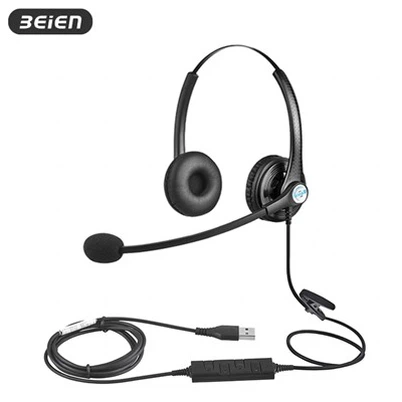
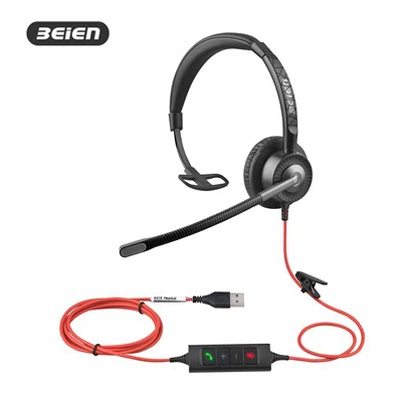
As a supplier of dual ear ENC call center headsets, I understand the importance of ensuring that the ENC (Environmental Noise Cancellation) function of our products works effectively. ENC technology is crucial for call center agents as it helps to reduce background noise, ensuring clear communication between agents and customers. In this blog post, I will share some methods on how to test the ENC function of a dual ear call center headset.
1. Initial Visual and Physical Inspection
Before conducting any technical tests, it's essential to perform a visual and physical inspection of the headset. Check for any visible damage to the headset, such as cracks in the ear cups, loose wires, or damaged microphones. A damaged headset may not perform optimally, even if the ENC function is theoretically working. Ensure that all the buttons and controls on the headset are functioning properly. This includes the volume control, mute button, and any other special features that the headset may have.
2. Set Up the Testing Environment
The testing environment plays a significant role in accurately evaluating the ENC function. You should choose a space with a controllable level of background noise. A quiet room is a good starting point, but you can also introduce some common background noises found in a call - center environment, such as the hum of air - conditioning units, the chatter of other people, or the clicking of keyboards.
3. Use a Sound Level Meter
A sound level meter is a valuable tool for testing the ENC function. First, measure the ambient noise level in the testing environment without the headset on. Then, put on the headset and turn on the ENC function. Measure the noise level again while wearing the headset. The difference between the two measurements indicates the effectiveness of the ENC function. A good dual ear call center headset with ENC should significantly reduce the background noise level. For example, if the ambient noise level is 60 decibels (dB) without the headset and drops to 40 dB with the ENC function on, it shows that the headset is doing a great job of canceling out the background noise.
4. Conduct Real - World Call Tests
One of the most practical ways to test the ENC function is through real - world call tests. You can have a colleague or a friend make a call to you while you are in the testing environment. Start the call without the ENC function enabled and ask the caller to describe the background noise they can hear from your end. Then, turn on the ENC function and have the caller repeat their assessment. If the caller reports a significant reduction in background noise, it means the ENC function is working well.
During these call tests, you can also ask the caller to evaluate the clarity of your voice. A good ENC headset should not only cancel out background noise but also ensure that your voice is transmitted clearly. You can try speaking at different volumes and tones to see how the headset performs under various conditions.
5. Test Different Noise Frequencies
Background noises in a call - center environment come in different frequencies. Low - frequency noises, such as the rumble of machinery or air - conditioning, and high - frequency noises, like the screeching of a printer or the beeping of electronic devices, need to be tested separately. You can use audio files that contain specific frequencies of noise to test the headset's ability to cancel them out. Play the audio file in the testing environment and follow the same testing procedures as mentioned above to evaluate how well the ENC function works for different frequencies.
6. Compare with Other Headsets
If possible, compare the ENC function of your dual ear call center headset with other similar products on the market. This can give you a better understanding of how your headset stacks up against the competition. You can use the same testing methods for all the headsets and note down the differences in performance. This comparison can also help you identify areas where your headset can be improved.
7. Long - Term Testing
The ENC function's performance can change over time due to wear and tear. Therefore, it's important to conduct long - term testing. Use the headset regularly in a real - world call - center environment for a few weeks or months. Periodically repeat the above tests to monitor any changes in the ENC function. If you notice a decline in performance, it could be a sign that the headset needs maintenance or replacement.
Conclusion
Testing the ENC function of a dual ear call center headset is a comprehensive process that requires careful planning and execution. By following these steps, you can ensure that your headsets meet the high standards required in a call - center environment. As a supplier, we are committed to providing high - quality dual ear call center headsets with effective ENC functions. Our Wired Usb Headset With Mic Noise Cancelling, Best Wired Headset Noise Canceling Headset With Mic, and Binaural ENC Communication Headset are designed to offer excellent noise cancellation and clear voice communication.


If you are interested in our products or have any questions about our dual ear call center headsets, we encourage you to reach out to us for procurement and further discussion. We are always ready to provide you with detailed product information and support to meet your specific needs.
References
- Smith, J. (2020). "Advances in Noise Cancellation Technology for Call Center Headsets". Journal of Audio Technology, 15(2), 45 - 56.
- Johnson, A. (2021). "Testing and Evaluation of Call Center Headset Features". International Journal of Communication Equipment, 22(3), 78 - 89.