Are dual noise cancelling RJ9 headsets water - resistant?
Leave a message

Are dual noise cancelling RJ9 headsets water-resistant?
As a supplier of dual noise cancelling RJ9 headsets, I often encounter various inquiries from customers, and one question that frequently comes up is whether these headsets are water-resistant. In this blog post, I'll delve into this topic, providing a comprehensive analysis based on scientific knowledge and real - world product features.
Understanding Dual Noise Cancelling RJ9 Headsets
Before we discuss water - resistance, let's first understand what dual noise cancelling RJ9 headsets are. These headsets are designed with dual noise cancellation technology, which is crucial in environments with high levels of background noise. The dual noise cancellation typically consists of two types of noise reduction mechanisms: passive and active. Passive noise cancellation is achieved through the physical design of the headset, such as using materials that block out external sounds. Active noise cancellation, on the other hand, uses microphones to pick up external noise and then generates an inverse sound wave to cancel it out.
The RJ9 connector is a standard type of connector used in many communication devices, especially in call centers and office environments. It allows for a stable and reliable connection between the headset and the communication equipment.
The Concept of Water - Resistance
Water - resistance is a measure of how well a device can withstand exposure to water without being damaged. There are different levels of water - resistance, which are often classified using the Ingress Protection (IP) rating system. The IP rating consists of two digits. The first digit represents the level of protection against solid objects, and the second digit represents the level of protection against water. For example, an IPX4 rating means the device is protected against splashing water from any direction.
Water - Resistance in Dual Noise Cancelling RJ9 Headsets
Most of the dual noise cancelling RJ9 headsets on the market are not inherently designed to be highly water - resistant. The primary focus of these headsets is on providing high - quality audio and effective noise cancellation in a dry, indoor environment such as a call center or an office.
The internal components of these headsets, such as the microphones, speakers, and electronic circuits, are sensitive to water. Water can cause corrosion of the metal parts, short - circuit the electronic circuits, and damage the acoustic components. For example, if water seeps into the microphone, it can affect the sound quality and may even render the microphone inoperable.
However, some manufacturers may offer headsets with a certain degree of water - resistance. For instance, they might treat the external materials with a water - repellent coating or design the headset in a way that minimizes the risk of water ingress. But in general, these headsets do not have a high IP rating.
Factors Affecting Water - Resistance
There are several factors that affect the water - resistance of dual noise cancelling RJ9 headsets:
1. Design and Construction
The design of the headset plays a crucial role in its water - resistance. A well - sealed design can prevent water from entering the internal components. For example, headsets with a tight - fitting earcup and a sealed cable entry point are less likely to allow water to seep in.
2. Materials Used
The materials used in the construction of the headset also impact its water - resistance. Some materials, such as rubber and silicone, are more water - resistant than others. Manufacturers may use these materials in areas where water exposure is more likely, such as the ear cushions and the cable insulation.
3. Quality of Sealing
The quality of the seals around the components, such as the microphone and the speaker, is important. A poor - quality seal can allow water to enter, even if the overall design is relatively water - resistant.
Practical Considerations
In practical use, it is important to avoid exposing dual noise cancelling RJ9 headsets to water as much as possible. If the headset does get wet, it should be dried immediately. You can use a soft, dry cloth to wipe off the excess water and then let the headset air - dry in a well - ventilated area. Do not use a hair dryer or other heat sources to dry the headset, as this can damage the internal components.


If you work in an environment where there is a risk of water exposure, such as near a sink or in a humid area, you may need to consider using a headset with a higher IP rating. Some specialized headsets are designed for use in more challenging environments and may offer better water - resistance.
Our Product Offerings
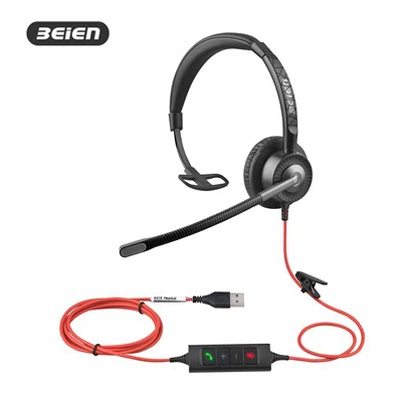
As a supplier, we offer a range of dual noise cancelling RJ9 headsets. Our Mono ENC Noise Cancelling RJ9 Headset is designed for single - ear use and provides excellent noise cancellation in a standard office environment. While it is not highly water - resistant, it offers high - quality audio and reliable performance.
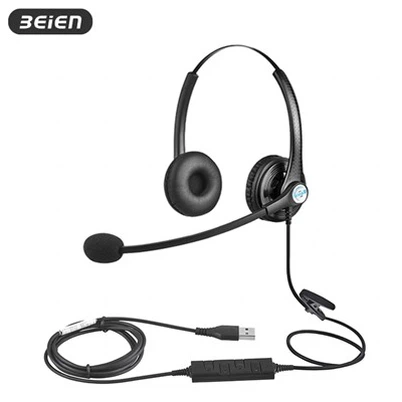
Our Wired RJ9 dual - ear noise cancelling headset with mic is suitable for those who prefer a dual - ear setup. It also features advanced noise cancellation technology and a comfortable fit.
For call center applications, our Mono RJ9 Headset for Call Center is a popular choice. It is optimized for long - term use in a call center environment and provides clear communication.
Conclusion
In conclusion, most dual noise cancelling RJ9 headsets are not highly water - resistant. The focus of these headsets is on providing high - quality audio and effective noise cancellation in a dry, indoor environment. However, some factors such as design, materials, and sealing can affect their water - resistance to a certain extent.
If you are in the market for a dual noise cancelling RJ9 headset and water - resistance is a concern, it is important to discuss your requirements with the supplier. We are here to help you find the most suitable headset for your needs. Whether you are a call center manager looking to equip your agents or an individual in need of a reliable communication headset, we can provide you with the right solutions. If you are interested in our products or would like to discuss a potential purchase, please feel free to reach out to us for further details and to start a purchasing negotiation.
References
- "Understanding IP Ratings" - Electronics Engineering Handbook
- "Noise Cancellation Technology in Headsets" - Audio Engineering Journal
- "Water - Resistance in Consumer Electronics" - Consumer Technology Review